
Museums in Oslo
Two waterfront museums show Edvard Munch’s work. On Bygdøy you can see polar ships, the Kon-Tiki raft and historic wooden buildings. Other collections lie in Tøyen, Frogner and Kjelsås.
Explore Oslo’s museums
Art along the waterfront
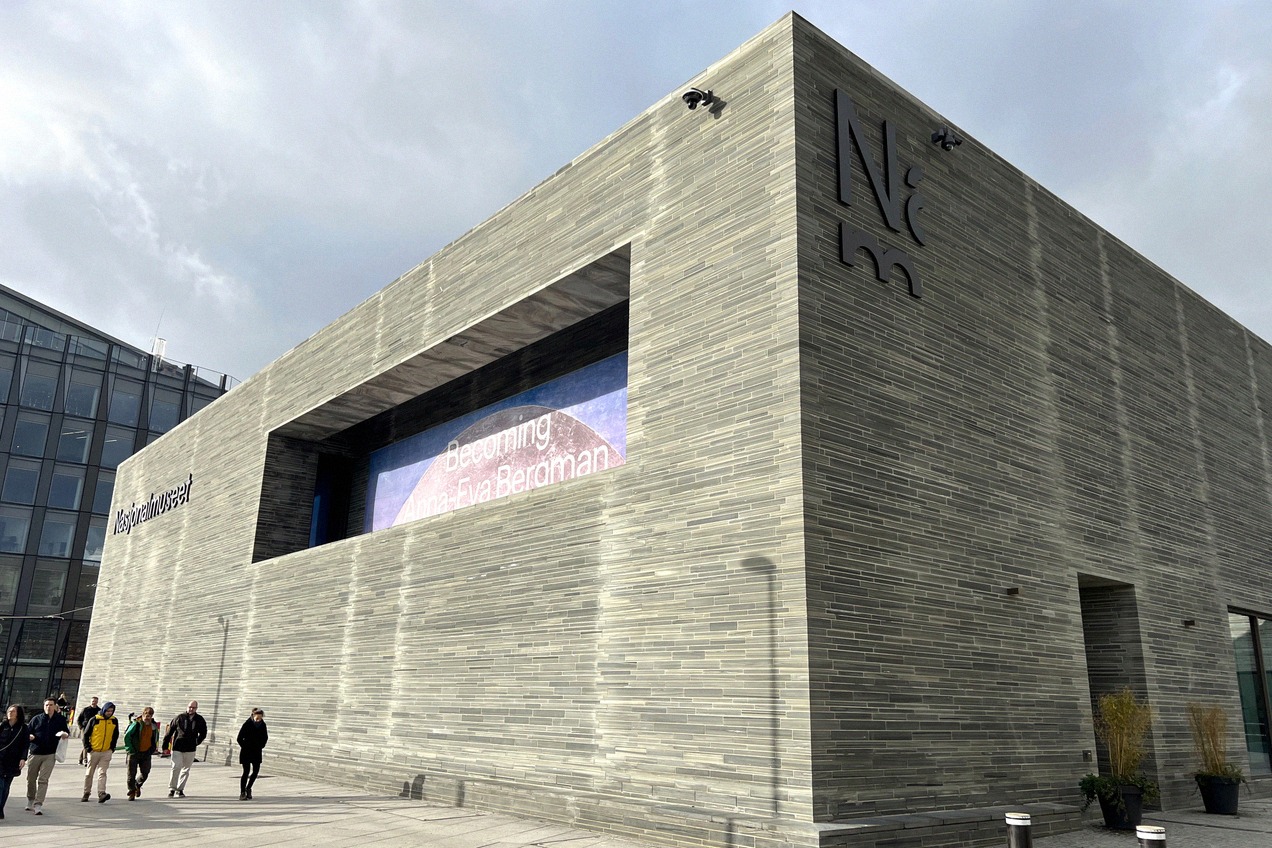
Two museums in Oslo hold versions of Edvard Munch’s The Scream. MUNCH in Bjørvika displays works from the artist’s estate and rotates the versions on show. The National Museum near Aker Brygge has its own painted version from 1893. Its wider collection places Munch alongside other painters working in 19th-century Norway. For contemporary art, follow the waterfront path beyond Aker Brygge to the Astrup Fearnley Museum on Tjuvholmen.
Bygdøy’s ships and open-air museum
If you travel to Bygdøy by ferry, choose your stop to match the collection. At Bygdøynes, neighbouring museums house the original polar ship Fram and Thor Heyerdahl’s Kon-Tiki raft. Dronningen is closer to the Norwegian Museum of Cultural History, home to the Gol stave church, and to the site of the former Viking Ship Museum. The Viking ships are closed to visitors during construction.
For natural history, head in the opposite direction to Tøyen, where you can combine the collections with a walk through the Botanical Garden. The Norwegian Museum of Science and Technology lies further north at Kjelsås, on the upper reaches of the Akerselva river.
City history, Akershus and the ski jump
Oslo City Museum is based at Frogner Manor in Frogner Park, within walking distance of Vigeland’s sculptures. At Akershus Fortress, museums trace Norway’s military history and the German occupation. The Ski Museum, founded in 1923 beneath the Holmenkollen ski jump, also tells the story of the polar expeditions of Fridtjof Nansen and Roald Amundsen.